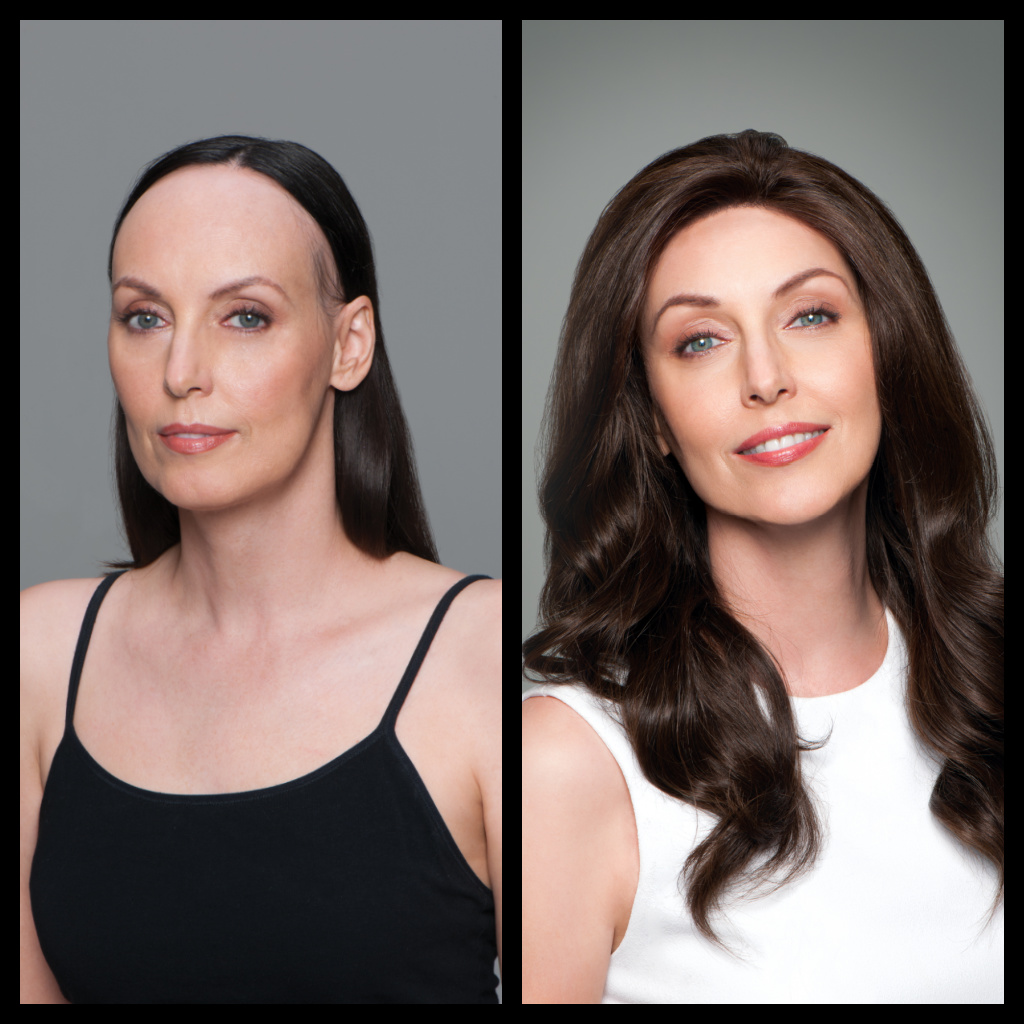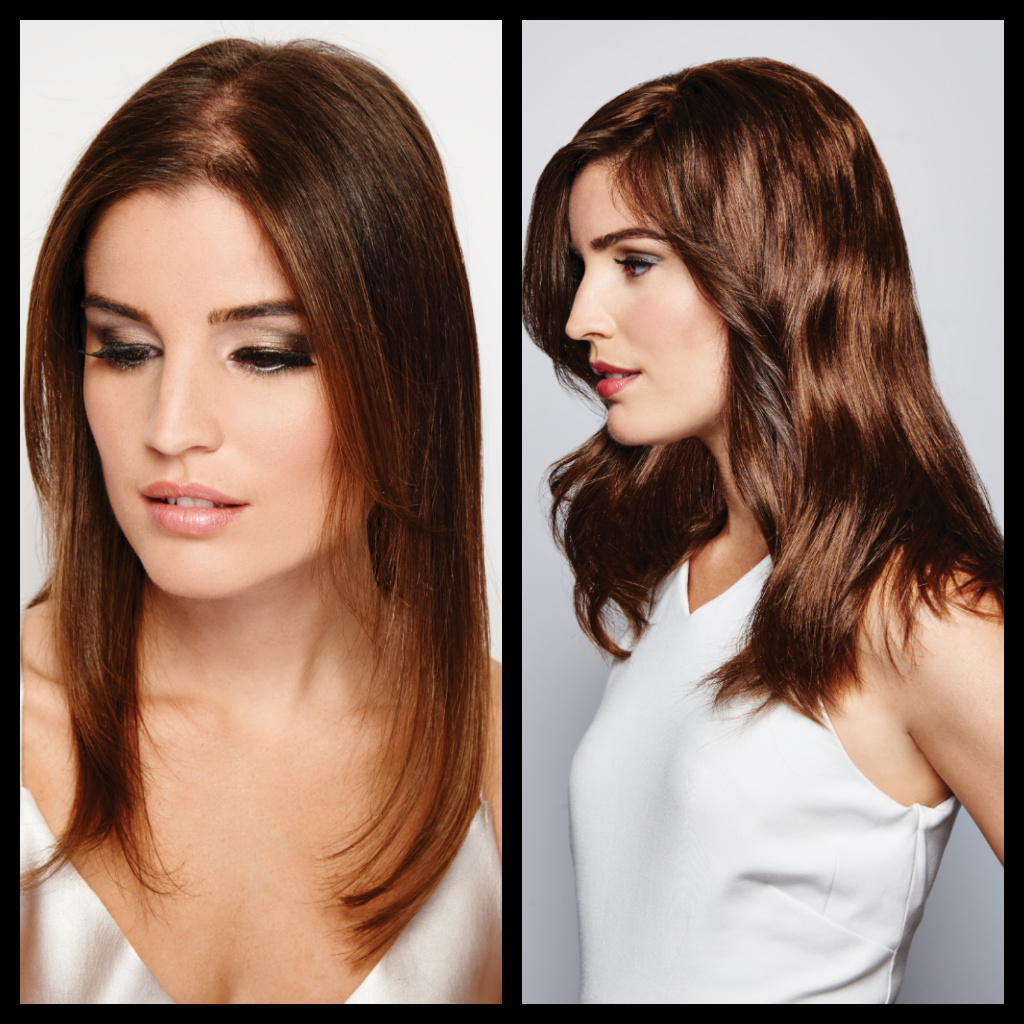
You Are Not Alone
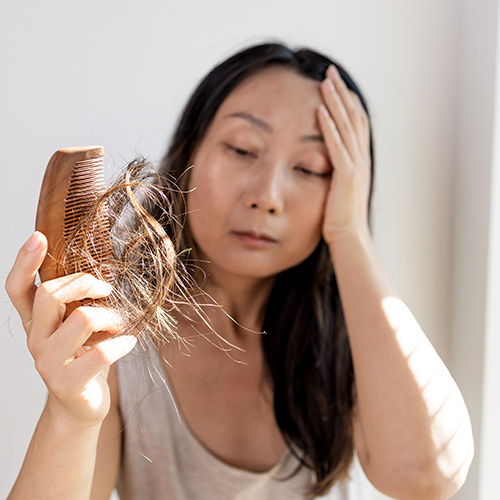
What Causes Hair Loss in Women?
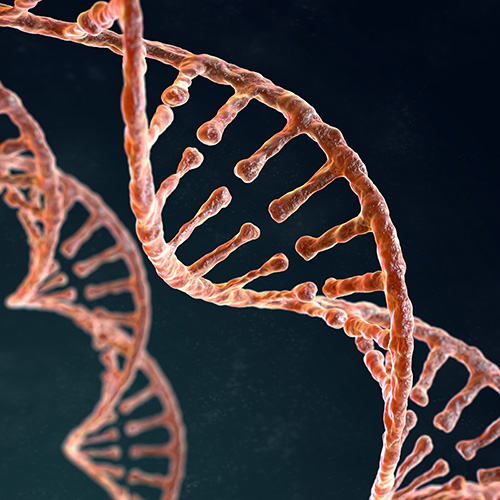
Genetics
A high percentage of women experience FPHL due to their genetic makeup, meaning hair loss is inherited from previous family generations. Women genetically predisposed to thyroid irregularities can also have baldness.
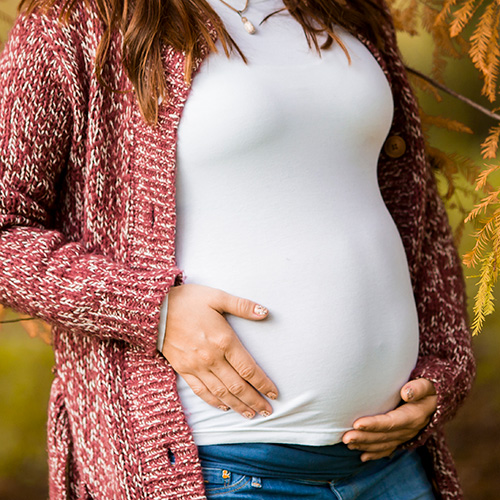
Pregnancy and Hormones
Women who are pregnant may lose hair at a faster rate than normal, though it tends to reverse post-partum. Additionally, those going through menopause and other hormonal changes may also notice thinning hair.
High-Stress Level
Those experiencing a higher-than-average level of emotional or psychological stress that over-activates the nervous system often experience either temporary or permanent hair loss.

Excessive Exercise and Physical Stress
Exercise and physical activity, endured at higher rates than the body can handle, may trigger hair loss in women. Physical stressors, such as a sudden impact or injury, surgery, or pregnancy, can lead to hair thinning.

Poor Nutrition
Poor or restrictive diets with deficient vitamins, minerals, or calories associated with malnourishment and undernourishment can also bring on hair loss and thinning.
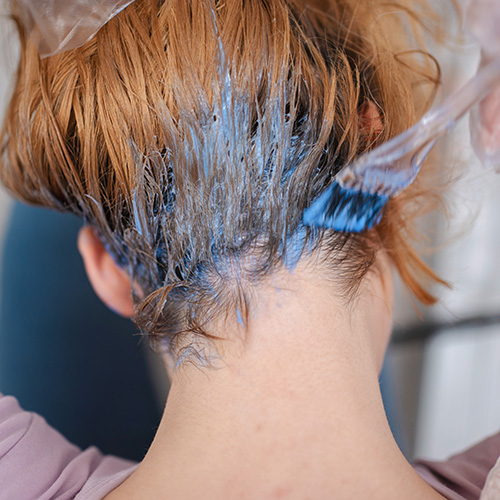
Hairstyles and Chemicals
Hairstyles that pull excessively on hair roots and follicles, along with overuse of hair chemicals, can cause thinning.

Medications and Toxicity
Being in proximity to toxic chemicals, such as those used for chemotherapy and radiation, can ignite rapid and nearly complete baldness.
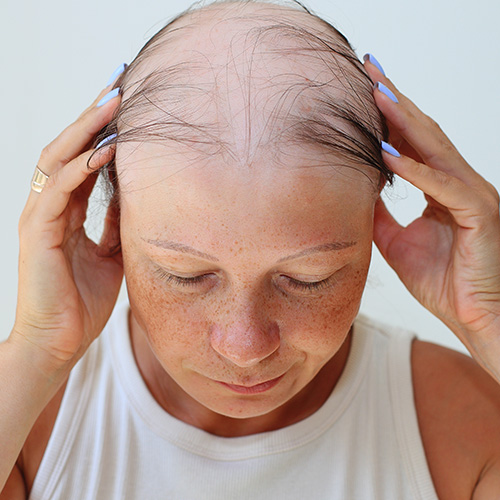
Alopecia Areata
An autoimmune disease where the body’s immune system attacks hair follicles anywhere on the body, causing hair loss. On the head, the result can be patchiness, thinness, or complete baldness.
How Does Hair Restoration Work?
How Much Does It Cost?
Client Before & After Photos